














































































































Plan and Save: A Back-to-School Budgeting Guide
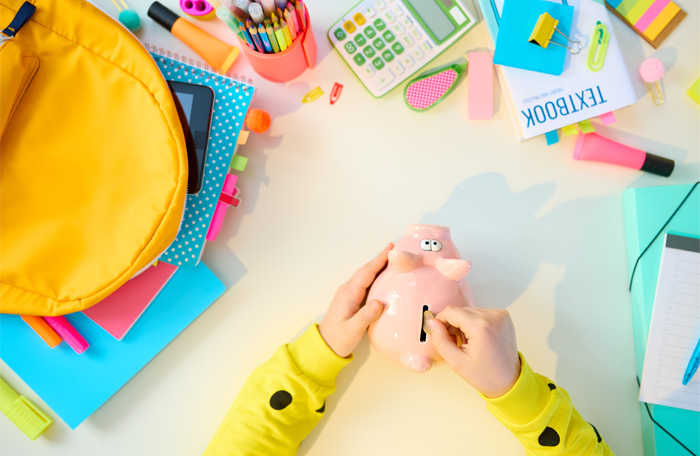
Back-to-School season is an exciting time, but it can get pricey fast. Before you know it, you’ll find yourself adding new school supplies, clothes, and technology into your cart. Between supplies, tuition, transportation, meals, and textbooks, the cost of going back to school can be overwhelming, and you may end up spending more than planned.
Before school is back in session, now is the perfect time to plan and prepare. We created a list of 5 key tasks and extra tips to help you keep back-to-school shopping stress-free and within your budget!
1. Shop School Supplies at Home First
Before you rush to the store or add items to your online cart, check for supplies from previous school years that are just lying around. You may be surprised by how many perfectly usable school supplies you already have.
Look for school supplies left untouched or lightly used from last school year. Writing utensils such as pens, pencils, crayons, markers, highlighters, and erasers are often stored in drawers or on household desks. Check closets for school clothes, shoes, uniforms, or sports gear that still fit and are in good condition. Reuse backpacks, lunchboxes, and pencil pouches from previous years. Hand-me-downs from siblings can also be a simple way to save on back-to-school costs.
Finding gently used or unused back-to-school supplies can free up money for items that really need replacing and for bigger expenses.
2. Make a List Before You Shop
It’s not time to go shopping yet. Gather together all of your shopping lists, dress code information, classroom technology expectations, required textbooks, extracurricular fees, and program fees.
Create a complete list of all your required and needed items. A complete list helps prevent duplicate purchases and last-minute spending. A thorough list helps prevent duplicate purchases and last-minute buys.
3. Separate Needs from Wants to Stretch Your Budget
Back-to-school shopping can come with a lot of added pressure. Kids may want the newest backpack, trendy shoes and clothes, name-brand school supplies, or an upgrade to their current technology. Separating necessary items from wants can help you decide where your back-to-school budget should go first.
Try breaking your list into three categories:
- Needs: These are the items required for the school year, such as uniforms, books, school supplies, basic clothing, and required technology.
- Wants: Items that are wanted but not essential for the school year, such as trendy clothing and supplies, extra accessories, upgraded backpacks, or non-required school gadgets.
- Eventual purchases: These are the items that may be needed eventually, but are not required before the school year starts.
4. Plan for Ongoing School-Year Expenses
Back-to-school includes more than one-time shopping costs for most families. You may need to plan for expenses throughout the school year, such as:
- Meals: Whether your child is packing a lunch from home or participating in school lunches, meals and snacks should be a part of the budget.
- Transportation Costs: Consider costs for driving to and from school, student parking fees, gas, bus fees, public transportation passes, and other transportation needs.
- Extracurricular Activities: If your child participates in any sports, music programs, clubs, student government, or any other activities, consider budgeting for participation fees, uniforms, equipment, instruments, supplies, or travel expenses.
- Tuition and School Fees: Some families may need to budget for necessary fees such as tuition, registration, course and lab fees, technology fees, or activity fees.
5. Shop Smarter
Now that you have a list of essentials and potential fees, it’s time to shop. Look for the best ways to save by comparing prices, shopping back-to-school sales, choosing generic brands when possible, and considering buying in bulk for the supplies your family uses often and quickly.
Secondhand items can help stretch your budget towards the necessities. Thrift stores, resale shops, and online marketplaces are great places to find gently used clothing, trendy items, sports equipment, instruments, dorm items and furnishings, or textbooks.
Remember, not every item on your kids’ back-to-school list needs to be purchased before the first day of school. Waiting to buy the non-essential items can help prevent overspending!
Turn Back-to-School Shopping into a Budgeting Lesson
Back-to-school shopping is a great way to teach kids to budget and save money! Use the budgeting worksheet below to involve them in the process by tracking the supplies they need and already have, setting a budget, tracking spending, and planning for extra school-year costs.

Start Saving for Next School Year
School costs and fees are easier to manage when you plan. Consider setting aside a small amount each month in a dedicated savings account for future school expenses.
Goldenwest Credit Union offers a Coverdell Education Savings Account (CESA), a savings option that can help families plan for qualified education expenses. To learn more about eligibility and contribution limits, visit a local Goldenwest branch or contact our member contact center.
With a little planning, back-to-school shopping can feel less stressful and more manageable. Happy saving, and have a great school year!