






































































































First-Time Homebuyer Insurance Checklist: What to Know Before Closing

June is National Homeownership Month, which makes it a great time to talk about one of life’s biggest milestones: buying a home.
For first-time buyers, the process can feel exciting and overwhelming. Between the mortgage, inspection, appraisal, and closing paperwork, homeowners insurance may seem like just another box to check. But the right coverage is an important part of protecting your new investment from day one.
Before you get the keys, here are a few insurance items every first-time homebuyer should review.
1. Start Your Insurance Quote Early
Nearly all mortgage lenders require proof of homeowners insurance before closing. Waiting until the last minute can create unnecessary stress or delay the process.
Once you have a signed purchase agreement, it is a good idea to start gathering quotes. Your agent may need details like the home’s address, age, square footage, roof type, heating system, and closing date.
2. Understand Replacement Cost vs. Purchase Price
The amount of insurance on your home may not match what you paid for it.
Your purchase price includes things like land, location, and market demand. Your insurance coverage is often based on replacement cost, which is the estimated cost to repair or rebuild the home after a covered loss.
This is an important difference for new homeowners to understand before choosing a policy.
3. Review Your Deductible
Your deductible is the amount you pay out of pocket before insurance helps cover a claim.
A higher deductible may lower your premium, but it also means you would pay more after a loss. Make sure the deductible you choose fits your budget. You should also ask whether your policy has separate deductibles for wind, hail, hurricane, or other types of damage.
4. Ask What Is Not Covered
Homeowners insurance provides important protection, but it does not cover everything.
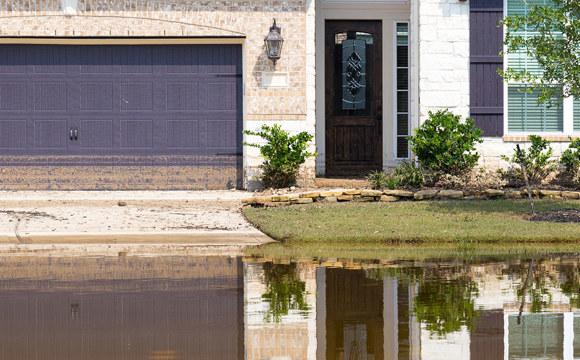
Common exclusions or limited coverages may include flooding, earthquake damage, sewer backup, wear and tear, pest damage, and certain high-value belongings. Some of these risks may require a separate policy or added endorsement.
Flood coverage is especially important to ask about, since standard homeowners insurance typically does not cover flood damage.
5. Protect Your Personal Belongings
Your policy may include coverage for furniture, clothing, electronics, and other personal property. However, some items may have coverage limits.
Jewelry, watches, collectibles, musical instruments, art, camera equipment, and other valuables may need extra protection. Before moving in, consider creating a simple home inventory with photos, videos, receipts, or serial numbers.
6. Do Not Forget Liability Coverage
Homeowners insurance may also include personal liability coverage. This can help protect you if someone is injured on your property or if you are found responsible for certain types of damage.
This is especially important if your new home has a pool, trampoline, dog, stairs, rental space, or frequent guests. You may also want to ask whether umbrella insurance makes sense for additional liability protection.
7. Ask About Discounts
First-time homeowners are often looking for ways to manage costs, and insurance discounts may help.
You may be able to save by bundling home and auto insurance, installing a monitored security system, having smoke detectors, using smart water leak sensors, owning a newer home, replacing the roof, or staying claims-free.
Discounts vary by company, so it is worth asking what may be available.
8. Update Your Policy After Moving In
Your insurance needs may change after closing. Renovations, new appliances, finished basements, fences, sheds, decks, pets, home offices, or major purchases can all affect your coverage.
After you settle in, review your policy again to make sure it still fits your home and lifestyle.
Protect Your New Home From Day One
Buying your first home? Call our team at 1-888-853-8992 and let us shop your homeowners insurance for you.